Why does the football clock keep going past 90:00?
Because the stadium clock runs during injuries and substitutions, the referee keeps track of lost moments and plays them back as "added time" at the end of each half.
Watching your first live match can feel like walking into a film halfway through. Cloverbronzewl starts with the visible moments on screen—a raised flag, a strange scoreline, a sudden pause—and explains what just happened in plain English.
Before worrying about penalties or tactics, look at how a point appears on the scoreboard. In association football—governed by the International Football Association Board (IFAB)—one ball fully over the goal line equals one goal. In basketball under FIBA or NBA rules, where the shooter stands changes a single basket from two points to three.
Tennis and rugby look unusual at first glance because their numbers skip ahead: 15, 30, 40 in tennis, or five points for a rugby try followed by a two-point conversion kick. Once you see the pattern behind the numbers, every cheer makes sense immediately.
Work out what each side is chasing+1 goal when the whole ball crosses the line between the posts.
+1, +2, or +3 depending on free throw, inside arc, or outside arc.
+5 try, +2 kick when the ball is pressed down in the in-goal area.
0 → 15 → 30 → 40 to win one game by at least two clear points.
When twenty-two players sprint across Wembley Stadium or ten athletes criss-cross the hardwood at Madison Square Garden, the movement looks chaotic only until you group everyone into three simple jobs: protecting the target, linking play in the middle, and finishing attacks.
Even shirt numbers and starting lines give away clues. Look at who stands deepest when the opponent has the ball, who shouts instructions to organise teammates, and who stays near the far line waiting for a quick pass.
Meet the jobs behind the shirtsOne of the biggest surprises for new spectators is how differently sports measure the end of a contest. A Premier League football clock counts up to 90 minutes and never pauses during throw-ins, so the referee adds extra minutes at the end. An NBA basketball clock counts down from 12 minutes per quarter and freezes every time the whistle blows.
Other sports ignore the clock altogether. At Wimbledon or Roland-Garros, a tennis match ends only when one player wins enough sets, whether that takes 58 minutes or five hours.
Know when the contest is finishedNothing puzzles a new supporter faster than a sharp whistle when nobody seems hurt. Usually only one of three things happened: the ball crossed a boundary line, a player broke a fairness rule such as tripping or offside, or the officials paused to check video evidence like VAR or Hawk-Eye.
Watch the referee's arms rather than the crowd's reaction. A pointed arm shows which team gets the restart, a coloured card signals a warning or dismissal, and a drawn rectangle in the air means a screen review is underway.
Understand the whistle and the restart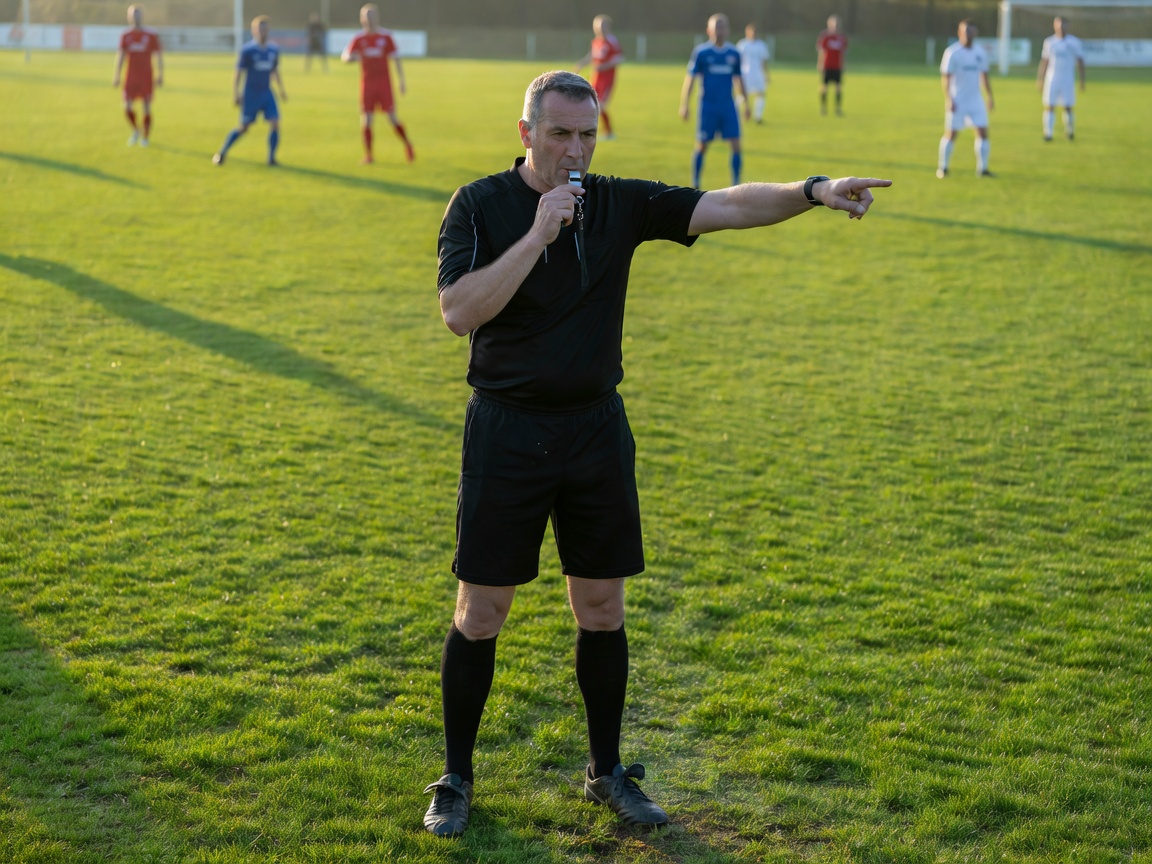
Every lifelong supporter once wondered why tennis calls zero "love" or why a football match can end 0–0 without a winner. Here are three fast answers before you explore the full list.
Because the stadium clock runs during injuries and substitutions, the referee keeps track of lost moments and plays them back as "added time" at the end of each half.
In football, offside stops attackers from camping permanently beside the opponent's goalkeeper. A player must stay level with or behind the second-last defender when the pass is kicked.
Yes in league seasons where teams earn points across months, such as the Premier League or Test cricket. In knockout tournaments, extra time or tiebreaks decide who advances.